Four Black Feminists You Should Know
february is black history month
February is Black History and Futures Month, a time to recognize and celebrate the achievements and contributions of Black people to human history, and fight back against anti-Black racism.
Black History month began in the United States in 1926 as a single week and was later expanded to include the whole month. In Canada, Black History Month was officially recognized in 1995 thanks to the Honorable Jean Augustine, the first Black woman elected to parliament. More on that in a moment!
In 2015, at the height of the Black Lives Matter movement, Black Futures Month was introduced to be more forward-looking. Ayo Tometi, one of the co-founders of the Black Lives Matter movement and originators of Black Futures Month, sums it up perfectly in this 2015 article on HuffPost:
“The past is a great teacher, but true students and beneficiaries should always ask, ‘where do we go from here?’ It’s our duty to live up to the legacy of those that came before us and not let the sacrifice of our foremothers and forefathers have been in vain. We must envision our future and actively bend the arc towards justice.”
It’s important to remember that honouring the contributions of Black people one month out of the year is not enough. We must learn, and unlearn, every day of the year. We must continue to fight for racial justice and an end to anti-Black racism. As allies, we should be calling out racism when we see it, educating ourselves and those around us, being humble about our mistakes and learning from them. We should be listening to Black voices and stories when they are shared with us and amplifying them whenever possible, rather than speaking over them.
This month on the DWS blog, we’d like to highlight some of our favourite Black activists, thinkers and feminists, women who shape and inspire how we do the work. Read on to learn more.
4 black feminists you should know
1. Jean Augustine
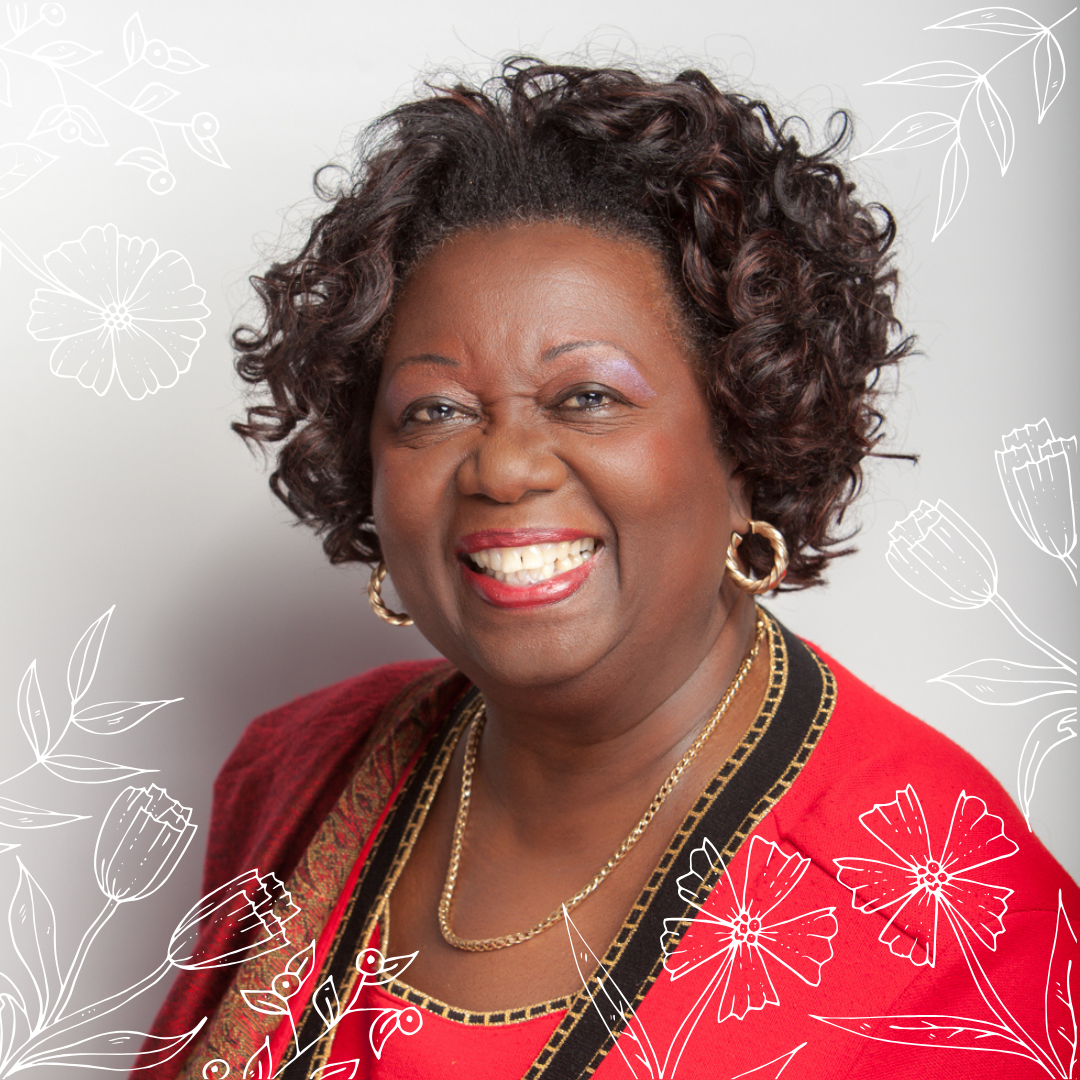
The Honourable Jean Augustine
As we mentioned before, Jean Augustine was the first Black woman to be elected to the House of Commons as the Liberal candidate for the Etobicoke-Lakeshore riding in Toronto, Ontario. She was elected in 1993 and held her seat until she retired from politics in 2006.
Her 1995 motion to declare February as Black History Month in Canada built on work done by the Ontario Black History Society, who had already successfully lobbied to get first the City of Toronto, and then the province of Ontario to declare Black History Month. In her motion to parliament, Augustine asked:
“That this House take note of the important contribution of Black Canadians to the settlement, growth, and development of Canada, the diversity of the Black community in Canada and its importance to the history of this country.”
Augustine came to Canada from Grenada in 1960, and has a history as an activist in Toronto’s Caribbean communities, volunteering her time to strengthen immigrant and women’s rights, and to work for an end to violence against women, drug abuse, and poverty.
When she retired from politics, Augustine founded the Jean Augustine Centre for Young Women’s Empowerment in Etobicoke, Toronto. Their programming focuses on building up girls’ and young women’s self-esteem and broadening their horizons.
2. Tarana Burke
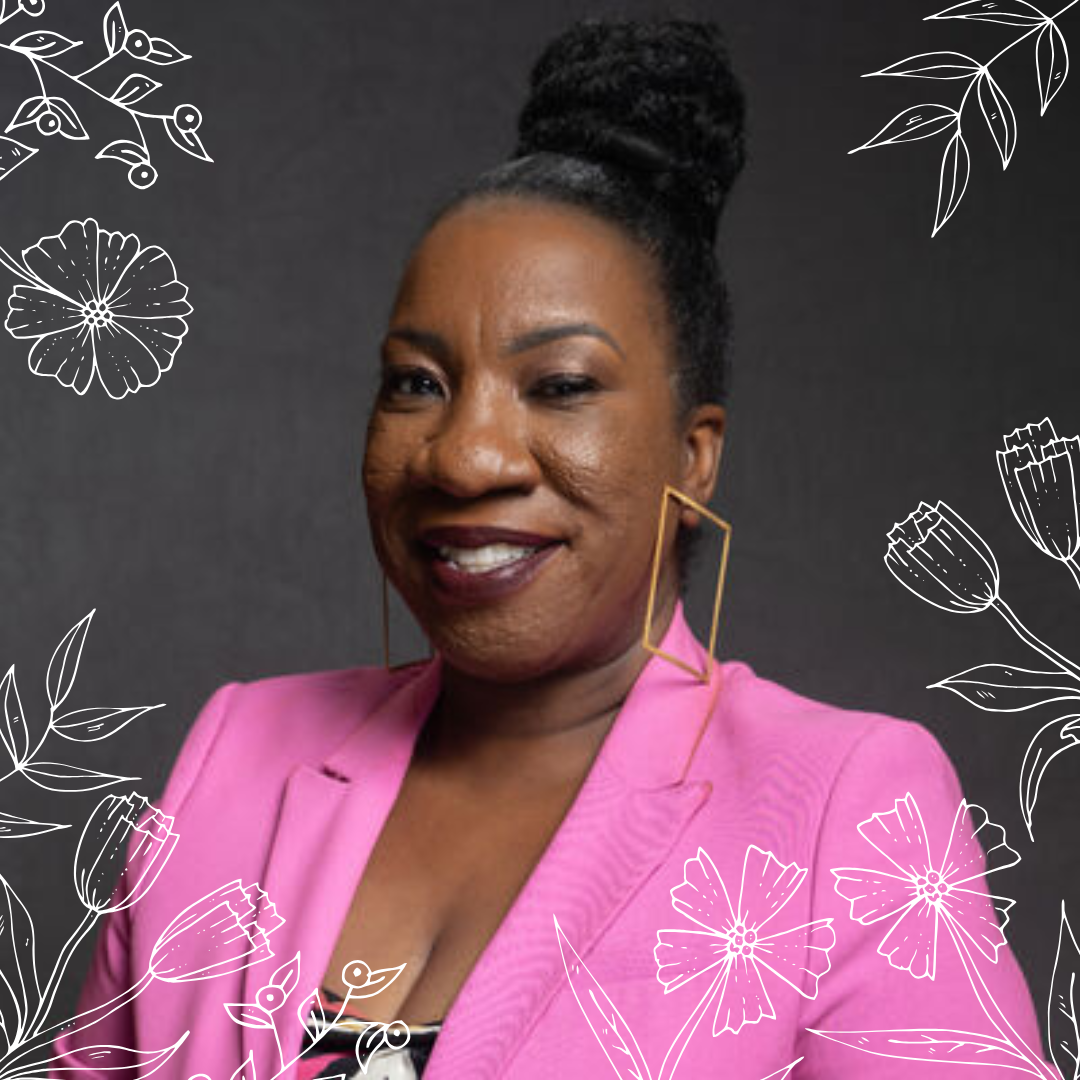
Tarana Burke
Although she has been active in social justice movements since the 1980’s, Tarana Burke is best known as the founder of the #MeToo movement, which exploded across social media in 2017 as a way for survivors of sexual violence to show how widespread their experiences are.
Burke first started using the phrase with the young, predominantly Black girls she was working with in Selma, Alabama in 2007, through her nonprofit Just Be, Inc. She began using the phrase to promote the idea of “empowerment through empathy.” Her nonprofit worked to bring resources and safe spaces to young Black survivors.
Today, Tarana Burke is the cofounder of me too. International, whose mission is to be “a convener, thought leader, and organizer in the global movement to end sexual and gender-based violence, grounded in Black feminist principals and survivor-led healing and action.” Burke uses her platform to continue bringing light to the experiences of survivors of gender-based violence.
To learn more about Tarana Burke, visit me too. International, taranaburke.com, or check out her memoir, Unbound, which is available to borrow from the DWS lending library.
3. Kimberlé Crenshaw
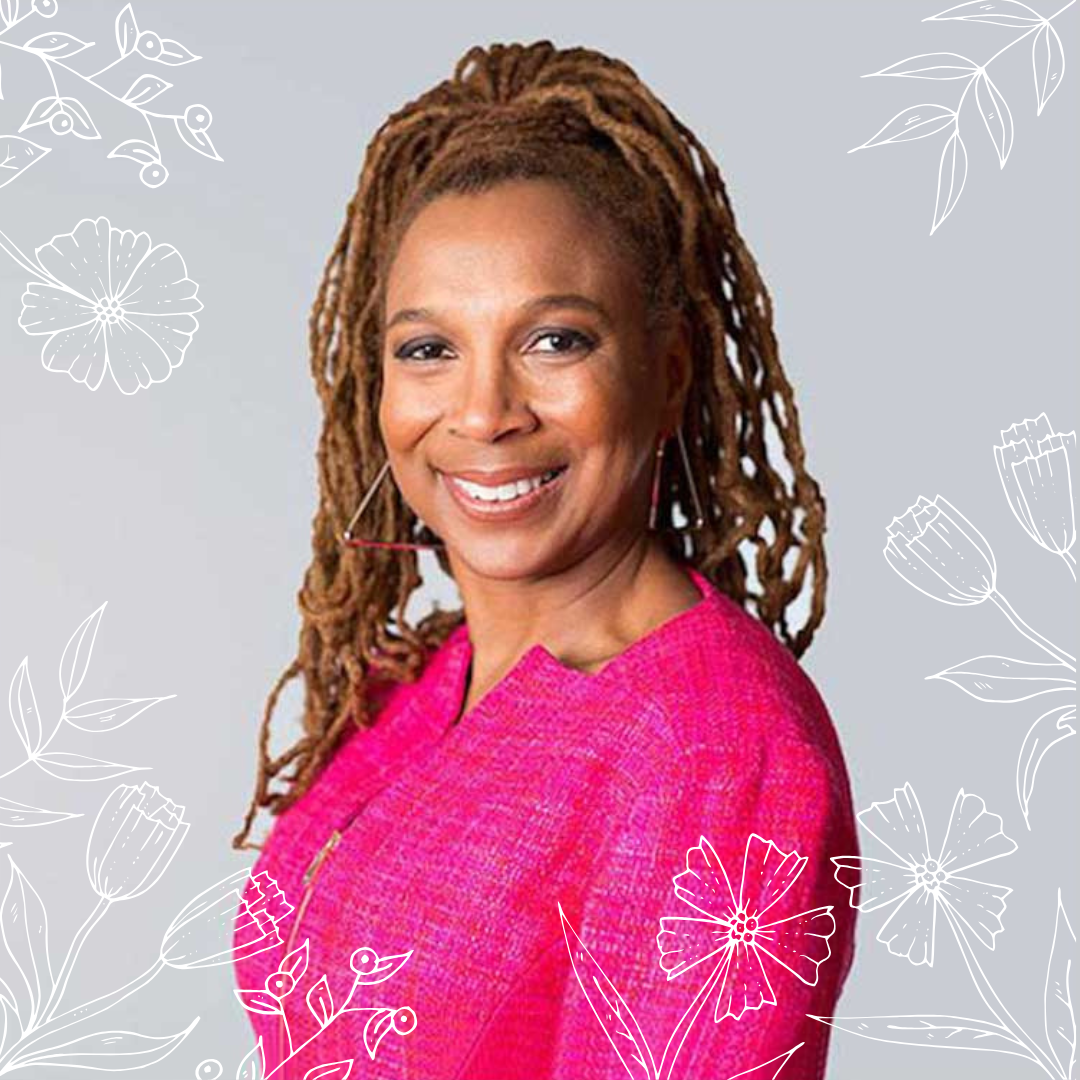
Kimberlé Crenshaw
One of the most important feminist concepts that we practice here at DWS is intersectionality. This is the idea that people can experience multiple oppressions at once, like race, class, gender, sexuality, and ability; these experiences of inequality overlap and amplify each other.
The term “intersectionality” was coined in a 1989 paper by pioneering American civil rights advocate Kimberlé Crenshaw. Her paper, titled “Demarginalizing the Intersection of Race and Sex: A Black Feminist Critique of Antidiscrimination Doctrine, Feminist Theory, and Antiracist Politics,” first published in the University of Chicago Legal Form, explores intersectionality as it is experienced by Black women in the legal system. Since then, the idea has been widely adopted in feminist and social justice circles.
In a 2017 interview with Columbia Law School, Crenshaw said “Intersectionality is a lens through which you can see where power comes and collides, where it interlocks and intersects. It’s not simply that there’s a race problem here, a gender problem here, and a class or LGBTQ problem there. Many times, that framework erases what happens to people who are subject to all of these things.”
Hear Kimberlé Crenshaw explain the urgency of intersectionality in this excellent Ted Talk:
4. Roxane Gay
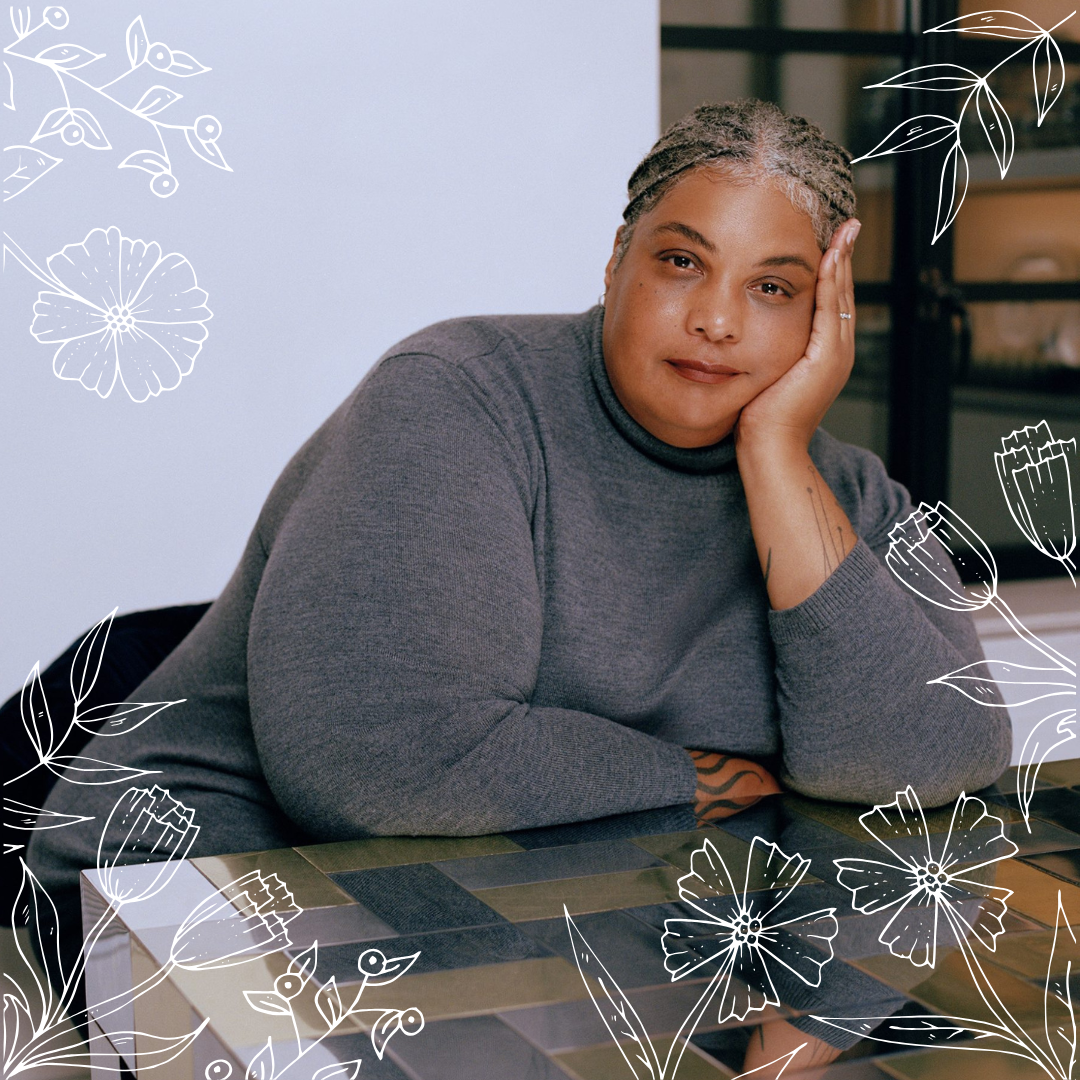
Roxane Gay
If you’re at all online, or interested in cultural critique, you’re likely familiar with Roxane Gay. Born in Nebraska to Haitian immigrants, Gay is a renowned author, editor, professor, and social commentator.
She’s a prolific writer, with books in multiple genres, including her 2014 essay collection “Bad Feminist,” the short story collection “Difficult Women” and the memoir “Hunger,” both released in 2017. Most recently, she edited “The Portable Feminist Reader,” with selected writings by ancient, historic, and contemporary feminist voices exploring the state of American feminism. It’s out now with Penguin Classics. She is also the first Black queer woman to write for Marvel comics, co-writing Black Panther: World of Wakanda with Ta-Nehisi Coates. How cool is that?
Gay’s writing frequently touches on themes of the body, trauma, survival, and sexuality, all through a feminist lens. Her 2015 Ted Talk, Confessions of a Bad Feminist, explores her feminism in a humorous, accessible way. Give it a watch!
If you’d like to learn more about Gay and see a full list of her publications, visit her website, roxanegay.com
Keep Learning!
As we said before, learning about and celebrating Black history, culture, and futures shouldn’t be limited to February alone. We encourage you to think about ways you can bring more Black voices into your day to day, through music, movies, books, social media and podcasts.
Continue your learning with DWS: check out Black Futures Podcasts, Black Futures Reading Lists, and our previous post on Black Futures Month, full of more videos and learning resources!